
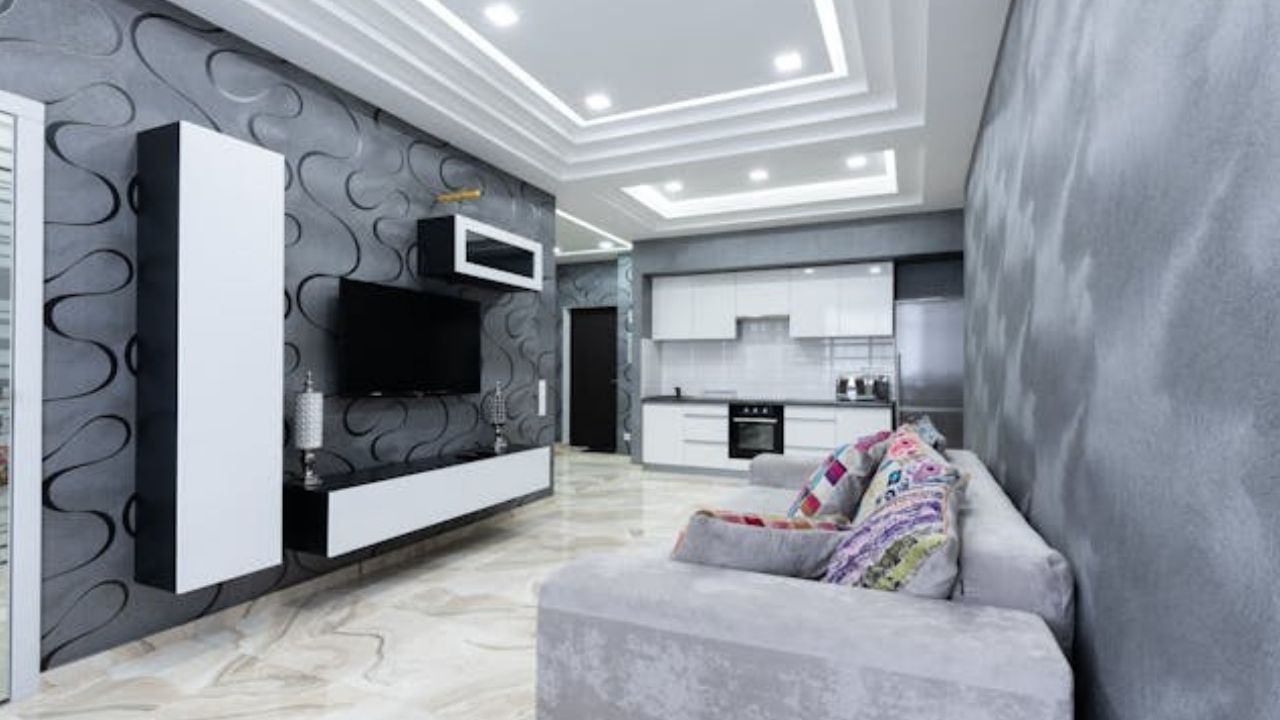
For years, gray has been the absolute darling of interior design. Modern, elegant, minimalist, easy to match — it seemed like the perfect choice.
+ 5 hidden places where your home is losing heat – and how much it’s costing you
But along with the popularization of gray aesthetics, a curious complaint began to surface more and more often: a constant feeling of tiredness at home.
Coincidence? Not really.
The idea that went viral on social media may sound exaggerated at first glance, but there is indeed a real basis behind it. Color psychology, visual perception, lighting and even brain stimulation help explain why excessively gray environments can affect our well-being.
The real impact of colors on the brain
Color psychology studies how different shades influence emotions, behavior and mental states. Although responses to color are subjective and cultural, research shows that the brain reacts in different ways to certain visual stimuli, especially when they are continuously present, such as at home.
Warmer and more vibrant colors tend to generate feelings of energy, comfort and vitality. Cooler and neutral tones are often associated with calm — but when overused, they can produce the opposite effect: apathy, monotony and low mental stimulation.
Gray: elegant, neutral and emotionally silent
Gray is a color without a defined temperature. It neither warms nor stimulates. For this reason, it is often described as a “safe” color in design. The problem arises when this neutrality dominates the environment.
In very gray spaces, the brain receives less visual variation, less contrast and fewer chromatic stimuli. Over time, this can generate a diffuse sense of discouragement, lack of energy or even demotivation — something many people simply interpret as tiredness.
It’s not that gray causes physical fatigue, but it can contribute to a flatter emotional state, especially in environments where we spend many hours.
The relationship between gray, light and the feeling of exhaustion
Another crucial factor is lighting. Gray tones, especially darker or cooler ones, absorb more light than they reflect. In homes with little natural light or inadequate artificial lighting, this can create a visually heavy environment.
Darker environments require greater visual effort from the brain, which can create a subtle sense of weariness throughout the day. In addition, the lack of contrast makes the eyes “fail to find points of interest,” reinforcing the perception of monotony.
The result? A space that always seems cloudy, even on bright days — and a mind that never feels fully awake.
Why has this become so common now?
The rise of gray coincided with the growth of trends such as extreme minimalism, industrial style and a misinterpreted Scandinavian aesthetic. In many cases, the promise of a sophisticated home ended up translating into cold, impersonal and emotionally poor environments.
Add to that the increase in working from home and prolonged time spent indoors, and we have the perfect combination for the psychological effects of the environment to become more evident.
But is gray always a problem?
No. The problem is not the color itself — it’s the excess and the context.
Gray works very well when:
- it is balanced with supporting colors such as beige, green, blue and terracotta;
- it appears as a base, not as the absolute protagonist;
- it is associated with good natural lighting;
- it is combined with textures, wood, fabrics and organic elements.
Without these counterpoints, it tends to “mute” the environment — and with it, our emotional state.
How to fix it without renovating everything
If you identify with the feeling of constant tiredness at home, there is no need to renovate everything right away. Small changes already make a difference:
- add natural plants, which bring life and color into the space;
- choose decorative objects in warm or natural colors;
- replace cool bulbs with warmer, more welcoming light;
- use fabrics, rugs and artwork to create visual contrast;
- consider softer and more balanced tones, such as olive green, grayish blue or warm beige.
These adjustments help the brain receive more positive stimuli, making the environment more comfortable and energizing.
What your home communicates to your body
Our home is not just a backdrop — it constantly communicates with our nervous system. Colors, light and visual composition influence mood, focus, rest and even productivity.
If your home always feels tired, too silent or emotionally neutral, maybe it’s not just a phase in your life. It could be the environment asking for more color, more light and more stimulation.
And sometimes, it all starts with a simple question: is “modern” really doing you good?
This content was created with the help of AI and reviewed by the editorial team.
